
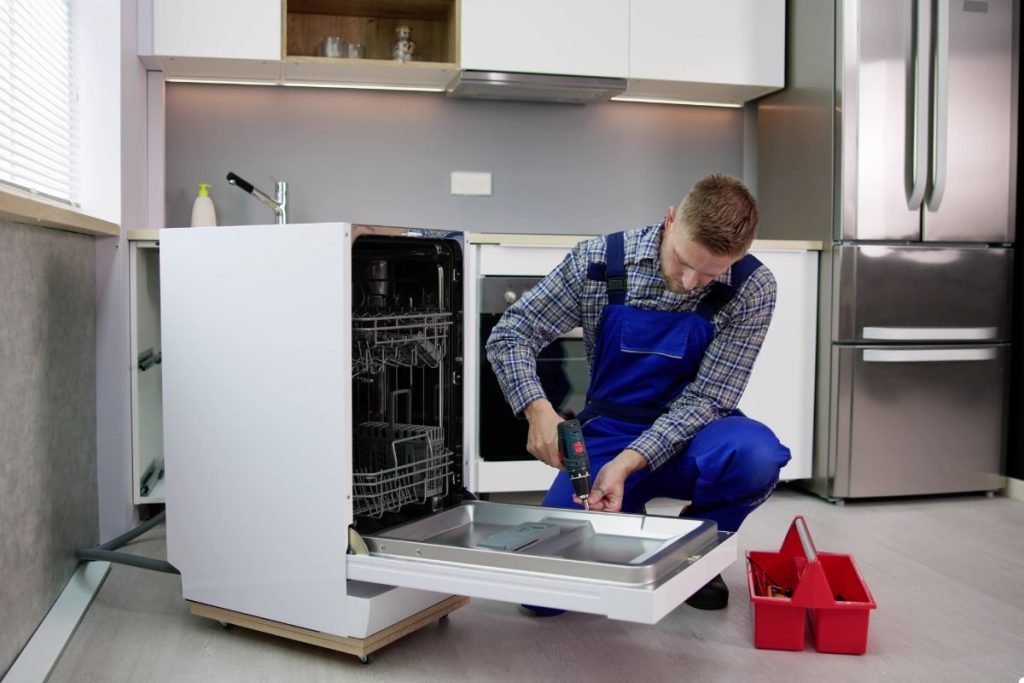
Is your dryer refusing to start, leaving you with piles of damp laundry? Don’t panic! Several common culprits can cause this frustrating issue. This guide will walk you through the top 5 reasons why your dryer won’t start – from simple fixes you can try yourself to when it’s time to call us for professional help. If you’re unable to resolve the issue, don’t hesitate to call us – our expert technicians are ready to get your dryer back up and running in no time!
Understanding the Basics: How Your Dryer Should Work (Before It Broke Down)
Before diving into the diagnosis, let’s quickly review how a healthy dryer operates.
- A Quick Look at the Dryer Cycle: Normally, when you load your clothes, set the desired cycle, and press “start,” the dryer’s motor should kick in, tumbling the drum while heated air circulates. The vent system then expels the moist air outside. The process continues until the timer reaches zero, and then your clothes are fresh, dried and warm!
- The Importance of Power & Ventilation: All electric dryers require a dedicated 240V outlet and proper ventilation to function correctly. Gas dryers need 120V power for the control panel, ignition, and drum, along with proper ventilation and a dedicated gas supply. Power is crucial for powering the motor and heating element (or gas ignition), while ventilation allows the hot, humid air to escape, preventing overheating and inefficient drying. For any related issues, don’t forget that our kitchen appliances repair services can help ensure your appliances are functioning at their best!
Reason #1: Power Problems – Is It Really Plugged In?
This sounds obvious, but it’s the most common cause of a non-starting dryer.
- Checking the Outlet: Ensure the dryer is securely plugged into the outlet. If your dryer isn’t working, the first step is to ensure it is properly plugged into the outlet. Try plugging another appliance into the same outlet to verify it’s working. For electric dryers (240V) check the outlet voltage with a multi meter to ensure you have proper voltage.
- Tripped Circuit Breaker: Locate the circuit breaker box and check the breaker for the dryer. If it’s tripped (switched to the “off” position or in the middle), flip it to the “off” position completely, then back to the “on” position.
- Resetting a Circuit Breaker: Sometimes, simply flipping the breaker back on isn’t enough. You may need to hold it in the “off” position for a few seconds before switching it back to “on” to fully reset it.

Reason #2: The Door Switch Dilemma – Click, or No Click?
The door switch is a safety feature that prevents the dryer from operating when the door is open.
- Locating the Door Switch: It’s usually located on the dryer frame near the door opening.
- Testing the Door Switch (Simple Methods): Open and close the dryer door and listen for a distinct “click” sound. If you don’t hear it, the switch might be faulty. You can test it more accurately with a multimeter.
- Replacing a Faulty Door Switch: If the switch is defective, replacement is straightforward. We can order a compatible replacement and install it.
Reason #3: Thermal Fuse Troubles – Overheating Shutdown
The thermal fuse is a safety device that shuts down the dryer if it overheats.
- What is a Thermal Fuse? This small, inexpensive fuse is designed to blow (break the circuit) if the dryer gets too hot, preventing a fire hazard.
- Finding the Thermal Fuse: It’s usually located on the blower housing or near the heating element.
- Testing the Thermal Fuse with a Multimeter: With the dryer unplugged, use a multimeter set to continuity. Touch the probes to the terminals of the fuse. If the multimeter doesn’t show continuity (typically a beep or a reading of 0 ohms), the fuse is blown and needs replacing. When trying to fix a dryer that won’t start, begin by testing the thermal fuse for continuity. If there’s no reading, it’s time to replace the fuse.
- Why Thermal Fuses Blow (Preventative Measures): A blown thermal fuse usually indicates a problem with airflow. Cleaning the dryer vent and lint trap regularly is crucial to prevent overheating.
Reason #4: Start Switch/Button Failure – The Silent Click
If you press the start button and nothing happens, the switch itself could be the problem.
- Identifying the Start Switch/Button: This is the button you push to initiate the drying cycle.
- Testing the Start Switch: Use a multimeter to test the start switch for continuity when the button is pressed. If there’s no continuity, the switch is likely faulty.
- Start Switch Replacement: Replacement involves accessing the dryer’s control panel. It is recommended to disconnect the dryer before replacing. If you’re not confident working with electrical components, it’s best to for professional assistance.
Reason #5: Timer or Control Panel Issues – The Brain of the Dryer
These components control the drying cycle’s functions.
- Understanding Dryer Timers/Control Panels: Mechanical timers advance through the cycle using a motor. Electronic control panels use circuits to operate different elements.
- Troubleshooting Timer/Control Panel Problems: Visual Inspection for any sign of damage is recommended, listen to clicks and whines that your control panel is making.
- When to Call a Professional (Timer/Control Panel): Control panel problems are often complex and require specialized knowledge and tools to diagnose. Repair can be cheaper but often requires expert service technicians to install a new control panel. If you’re in Las Vegas, it’s also important to clean your dryer vent regularly to prevent any potential issues.

Prevention is Key: Keeping Your Dryer Healthy – Preventative Maintenance Tips
- Regular Vent Cleaning: Clean the dryer vent at least once a year (more frequently if you do a lot of laundry). Clogged vents cause overheating, inefficient drying, and fire hazards. If your dryer won’t start, check the power cord and outlet to make sure they’re working properly.
- Proper Loading Techniques: Avoid overloading the dryer, as this puts stress on the motor and can cause it to overheat.
- Annual Dryer Inspections: Schedule an annual inspection by a qualified technician to identify and address potential problems early. For early dryer inspection and maintenance, reach us out and call for a book appointment!
When to Call a Professional: DIY vs. Pro – Knowing Your Limits
While some dryer problems are simple to fix, others require specialized knowledge and tools.
- Electrical Safety Considerations: Working with electricity can be dangerous. If you’re not comfortable with electrical repairs, contact us for professional assistance. Our expert technicians are here to safely handle the job for you!
- Complex Repairs: Control panel issues, motor problems, and gas dryer repairs are best left to qualified technicians.
- Warranty Considerations: Attempting repairs yourself may void the dryer’s warranty. For checking the status of the warranty!
Dryer Back in Action! – Recap & Encouragement
Hopefully, this guide has helped you identify the reason your dryer won’t start and equipped you with the knowledge to fix it – or, at least, determine when it’s time to call in the pros. If you’ve tried the troubleshooting steps and are still facing the issue, don’t wait to call a trusted technician. Call us now for the right repair technician to handle the job and get your dryer running smoothly again!